
Expert Guide to Managing Rosacea: Treatment Options and Daily Care
Introduction
Welcome to your ultimate expert guide to managing rosacea! If you’re one of the many who experience this chronic inflammatory skin condition, you know it can feel like a rollercoaster ride sometimes smooth, but often bumpy with flare-ups that leave your skin feeling red and irritated. Fear not! We’re here to help you navigate the twists and turns of rosacea management.
Rosacea is more than just a splash of red on your cheeks; it’s a multifaceted condition that requires understanding and strategy. Whether you’re dealing with facial redness, visible blood vessels, or even pesky bumps, knowing how to manage rosacea effectively can make all the difference. In this guide, we’ll explore everything from rosacea treatment options to daily skincare routines designed specifically for sensitive skin.
But wait! Before we dive into the nitty-gritty of treatments and remedies, let’s address some common misconceptions. Many people believe that rosacea is merely a cosmetic issue or something that only affects those with fair skin. However, it’s important to note that rosacea can affect anyone regardless of skin type or tone and it often requires ongoing management.
According to the American Academy of Dermatology, “Rosacea is a chronic inflammatory skin condition that requires ongoing management.” (source)
This guide will equip you with practical tips for controlling rosacea flare-ups and reducing redness from rosacea while also highlighting lifestyle changes that can support your skin health. From dietary adjustments to skincare product recommendations, we’ve got you covered!
Takeaway: Understanding your triggers and adopting an effective skincare routine are key steps in managing rosacea. Ready to take control? Let’s get started!
Understanding Rosacea
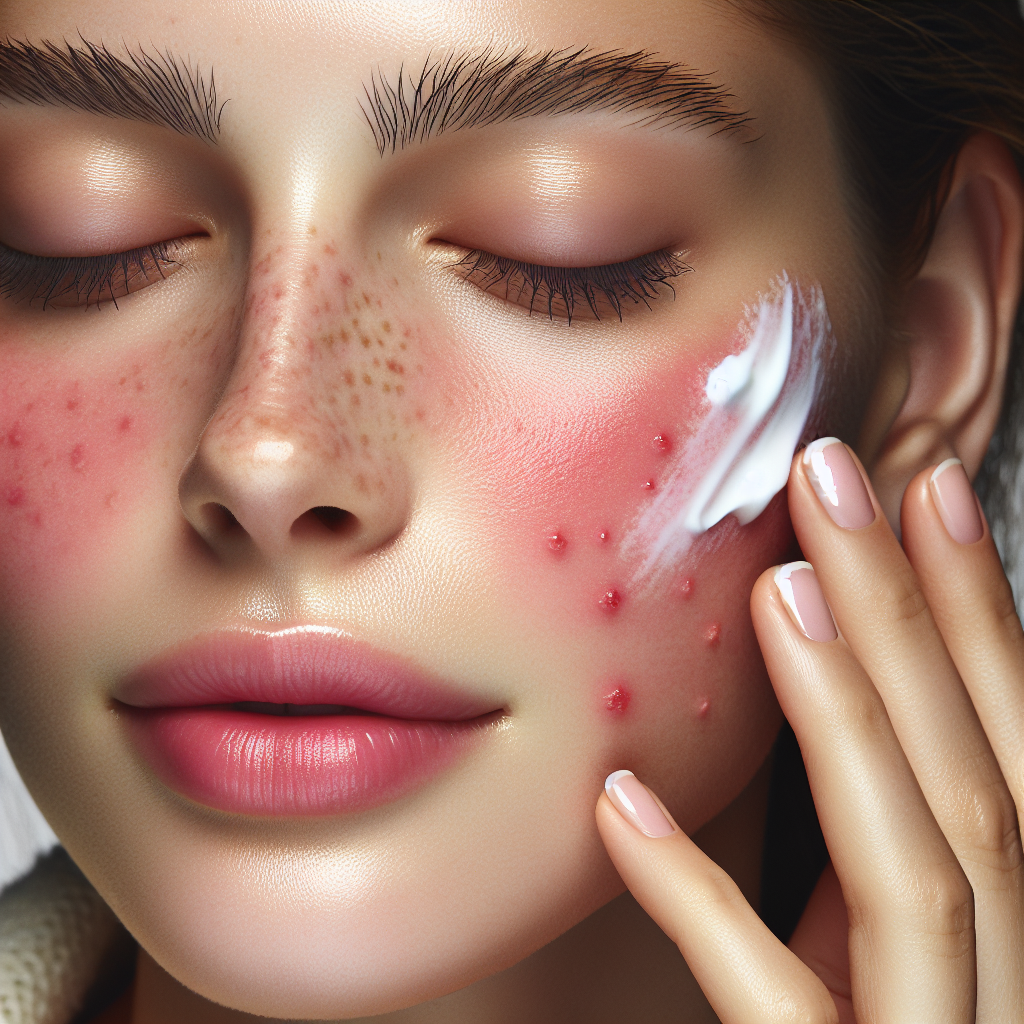
So, what exactly is rosacea? Think of it as that unwanted party crasher that shows up on your face, often uninvited and definitely unannounced. Rosacea is a chronic skin condition that primarily affects the face, leading to redness, visible blood vessels, and sometimes even bumps resembling acne. It’s like your skin decided to throw a tantrum in response to various triggers.
Types of Rosacea and Symptoms
Rosacea isn’t a one-size-fits-all kind of deal; it comes in different flavors:
- Erythematotelangiectatic rosacea: Characterized by persistent redness and visible blood vessels.
- Papulopustular rosacea: This type brings along red bumps and pus-filled pimples, making your skin feel like it’s auditioning for a bad reality show.
- Phymatous rosacea: The rarest of the bunch, it can cause thickening of the skin, particularly on the nose (hello, rhinophyma).
- Ocular rosacea: This one targets the eyes, causing irritation and redness. Not exactly what you want when you’re trying to look fabulous!
Common Triggers of Rosacea
Now that we know what we’re dealing with, let’s talk about those pesky triggers that can send your rosacea into overdrive:
- Heat: Whether it’s a hot bath or just stepping outside on a sunny day, heat can be kryptonite for your skin.
- Certain foods: Spicy dishes might make your taste buds dance but can also lead to increased redness.
- Alcohol: A glass or two might be fun at happy hour but could leave your cheeks looking like ripe tomatoes.
- Stress: Ah yes, the silent killer. Stress can trigger flare-ups faster than you can say “deep breath.”
- Certain skincare products: Not all products are created equal. Some may irritate rather than soothe it’s all about finding those gentle skincare routines for rosacea-prone skin!
Key Takeaway: Understanding the types of rosacea and their symptoms is crucial for effective rosacea management. Identifying common triggers allows you to dodge potential flare-ups like a pro!
Managing Rosacea: Lifestyle Changes
When it comes to rosacea management, lifestyle changes can make a world of difference. Think of it as tuning a musical instrument; sometimes, a small adjustment can create a beautiful symphony instead of a cacophony! Here are some key strategies to help you control rosacea flare-ups and keep that redness in check.
Avoiding Triggers in Rosacea Patients
First things first, let’s talk about the pesky triggers that can send your skin into a frenzy. Common culprits include:
- Spicy foods
- Alcohol, especially red wine
- Extreme temperatures (hello, summer heat!)
- Certain skincare products (more on this later)
Keeping a diary to track your flare-ups can help you identify specific triggers unique to your skin. It’s like being a detective, but instead of solving crimes, you’re solving the mystery of your rosacea!
Stress Management and Rosacea Control
Stress is like that annoying friend who just won’t leave you alone always around when you least want it. Unfortunately, stress can exacerbate rosacea symptoms. Incorporating relaxation techniques such as:
- Meditation or mindfulness exercises
- Yoga or gentle stretching
- Aromatherapy with calming essential oils
These practices not only help reduce stress but also promote overall well-being. Remember, keeping calm is key in the quest for clear skin!
Identifying Food Triggers in Rosacea Sufferers
Your diet plays an essential role in managing rosacea. It’s time to channel your inner food critic! Pay attention to how different foods affect your skin. Some people find that dairy or gluten can trigger flare-ups. Consider trying an:
- Elimination diet: Remove potential triggers one at a time and observe the effects.
- Anti-inflammatory diet: Load up on fruits, vegetables, whole grains, and omega-3 fatty acids.
Adopting an Anti-Inflammatory Diet for Rosacea
An anti-inflammatory diet is not just another fad; it’s your new best friend! Think of it as giving your body the VIP treatment it deserves. Foods that are particularly beneficial include:
- Fatty fish (like salmon) packed with omega-3s
- Nuts and seeds for healthy fats
- Berries that are bursting with antioxidants
- Green tea for its soothing properties

This type of diet not only helps reduce inflammation but also boosts your immune system double win!
The takeaway? Your lifestyle choices have a significant impact on managing rosacea. By identifying triggers, practicing stress management techniques, and adopting an anti-inflammatory diet, you’re taking proactive steps toward calmer skin.
If you’re ready to tackle rosacea head-on with these lifestyle changes, stay tuned for our next section on creating a gentle skincare routine tailored specifically for rosacea-prone skin!
Daily Skincare Routine for Rosacea-Prone Skin
Managing rosacea is like navigating a minefield of skincare choices, but fear not! With the right daily skincare routine, you can soothe your skin and reduce those pesky flare-ups. Here’s a step-by-step guide to creating a gentle skincare regimen that works for rosacea-prone skin.
1. Cleanse Gently
The first step in your rosacea management journey is to find the best cleansers for sensitive skin with rosacea. Look for fragrance-free, hydrating formulas that won’t strip your skin of its natural oils. Cream or gel cleansers are often the best choices. Avoid anything that foams up too much it’s like inviting a bull into a china shop!
2. Exfoliate Wisely
Exfoliation can be tricky for rosacea sufferers, as harsh scrubs can aggravate irritation. Instead, opt for chemical exfoliants containing lactic acid or gentle enzymes. These will help keep your skin smooth without causing inflammation.
3. Hydrate and Soothe
Next up: moisturizing! Choose soothing creams for rosacea-prone skin that contain ingredients like ceramides, hyaluronic acid, or aloe vera. These will help calm irritated skin and lock in moisture. Think of your moisturizer as a cozy blanket for your face soft, comforting, and protective!
4. Don’t Forget Sun Protection
Sunscreen is non-negotiable in any skincare routine, especially when managing rosacea! Look for mineral-based sunscreens with zinc oxide or titanium dioxide to provide broad-spectrum protection without irritating your delicate skin. Aim for SPF 30 or higher it’s like giving your face an umbrella against harmful rays.
5. Seasonal Adjustments
Your skincare routine should evolve with the seasons! In winter, consider adding a richer moisturizer to combat dryness caused by cold air and indoor heating. In summer, stick to lightweight formulas to keep your skin cool and hydrated without clogging pores.
By following this gentle skincare routine tailored specifically for rosacea management, you’ll be on the path to reducing redness from rosacea while keeping flare-ups at bay. Remember: consistency is key! And don’t hesitate to consult with a dermatologist if you’re unsure about products or need personalized advice.
Treatment Options for Rosacea Management
When it comes to rosacea management, the options can feel as varied as the symptoms themselves. From prescription treatments to natural remedies, there’s a whole toolbox ready to help you tackle those pesky flare-ups. Let’s dive into the nitty-gritty of what works, what doesn’t, and what might just surprise you!
Prescription Treatments for Rosacea
For those in need of a little more oomph in their treatment plan, prescription options are available. Dermatologists often recommend:
- Topical medications: Creams or gels containing metronidazole or azelaic acid that help reduce inflammation and redness.
- Oral antibiotics: Low-dose antibiotics like doxycycline can be effective for reducing inflammation.
- Isotretinoin: In severe cases, this powerful medication can help with rosacea that doesn’t respond to other treatments.
Over-the-Counter Treatments for Rosacea
If you’re not ready to visit the doc just yet, there are plenty of over-the-counter options that can help with managing rosacea:
- Cleansers: Look for gentle, hydrating cleansers free from alcohol and fragrance.
- Moisturizers: Products with calming ingredients like niacinamide or ceramides can soothe irritated skin.
- Sunscreen: A broad-spectrum SPF is essential; look for mineral-based formulas that are less likely to irritate.
Natural Solutions for Rosacea
If you’re leaning towards a more holistic approach, there are natural solutions that have been known to help with controlling rosacea flare-ups. Some popular options include:
- Aloe vera: This soothing plant can hydrate and calm irritated skin.
- Coconut oil: Known for its moisturizing properties; just be cautious if your skin is prone to breakouts.
- Green tea extract: Loaded with antioxidants, it may reduce redness and inflammation when applied topically.
The Role of Essential Oils
The world of essential oils is vast! While some may offer benefits, others could be a total no-go. Here’s how they stack up against rosacea:
- Lavender oil: Known for its calming properties; however, always dilute it before applying directly to your skin!
- Tee tree oil: This one’s a bit controversial some find it helps while others experience irritation. Test carefully!
- Peppermint oil: Generally not recommended due to its potential to cause flare-ups.
The Power of Probiotics
You might be surprised to learn that probiotics aren’t just good for your gut! Some studies suggest they could play a role in managing rosacea symptoms by supporting overall skin health. Consider incorporating probiotic-rich foods into your diet like yogurt or sauerkraut or even taking a high-quality supplement!
No matter which route you choose in your quest for effective rosacea treatment, the key is consistency and patience. With the right combination of treatments and lifestyle adjustments, you’ll be well on your way to managing those flare-ups like a pro!
Coping with Rosacea: Makeup and Cover-Up Tips
When it comes to rosacea management, makeup can be your best friend or your worst enemy. The key is knowing how to use it wisely to reduce redness and enhance your natural beauty without aggravating your sensitive skin.
Makeup Advice for Covering Up Redness from Rosacea
First things first, let’s talk about the foundation of your makeup strategy (pun intended!). Here are some tips to help you effectively cover up that pesky redness:
- Choose the Right Base: Look for a green-tinted primer or color corrector. Green neutralizes redness, making it a secret weapon in your makeup arsenal.
- Opt for Mineral Makeup: Mineral foundations are often lighter and less irritating than traditional formulas. They also provide good coverage while allowing your skin to breathe.
- Go Light on the Coverage: Instead of caking on layers of heavy foundation, opt for a lightweight tinted moisturizer or BB cream. This way, you can even out your skin tone without overwhelming it.
- Ditch the Harsh Chemicals: Avoid products with alcohol, fragrances, or other irritants that can trigger flare-ups. Always read labels!
The Best Products for Rosacea Skincare and Makeup Application Techniques
The right products can make all the difference in managing rosacea. Here’s a rundown of some of the best options available:
- Soothing Creams: Start with a calming moisturizer that contains ingredients like aloe vera or chamomile before applying makeup.
- Non-Comedogenic Products: Look for makeup labeled as non-comedogenic, which means it won’t clog pores or exacerbate skin issues.
- Sunscreen is Non-Negotiable: Always apply a broad-spectrum sunscreen before any makeup application. UV rays can trigger rosacea flare-ups!
- Mist Away! A hydrating mist can refresh your makeup throughout the day and soothe irritated skin.
Takeaway: The right approach to makeup not only helps you manage rosacea but also boosts your confidence! Choose gentle products, prioritize hydration, and don’t forget sun protection!