

Effective Solutions for Managing Rosacea: Expert Tips
Effective Solutions for Managing Rosacea: Expert Tips
Introduction
Welcome to the world of rosacea management, where we tackle the fiery beast known as rosacea with expert tips and tricks! If you’ve ever felt like your face is auditioning for a role in a tomato-themed horror movie, you’re not alone. This chronic inflammatory skin condition affects millions, causing redness, flushing, and sometimes those pesky bumps that can really cramp your style.
But fear not! With the right rosacea treatment strategies, you can take control of your skin and keep flare-ups at bay. From skincare routines that soothe to dietary changes that help reduce redness from rosacea, we’re diving deep into effective solutions that can make a real difference.
Did you know that approximately 16 million Americans suffer from rosacea? That’s a lot of people navigating the ups and downs of sensitive skin! The good news is that with informed choices and a little bit of TLC, managing rosacea doesn’t have to feel like an uphill battle. In this guide, we’ll explore everything from dermatologist tips for rosacea to natural solutions for rosacea, ensuring you’re armed with knowledge to fight back.
So grab your favorite soothing cream and settle in as we uncover the best products for rosacea and other effective strategies for calming irritated skin. Whether you’re looking for over-the-counter treatments or prescription options, we’ve got you covered!
Understanding Rosacea
Rosacea is like that uninvited guest who shows up at your party and refuses to leave. This chronic skin condition primarily affects the face, causing redness, visible blood vessels, and sometimes even acne-like bumps. Understanding rosacea management starts with recognizing its various forms.
Definition and Types of Rosacea
There are four main types of rosacea, each bringing its own flair to the redness party:
- Erythematotelangiectatic rosacea: Characterized by persistent redness and visible blood vessels.
- Papulopustular rosacea: This type throws in some bumps and pustules for good measure.
- Phymatous rosacea: The rarest type, often affecting the nose and leading to thickened skin.
- Ocular rosacea: Affects the eyes, causing irritation and redness.
Common Symptoms and Signs
If you’re wondering whether you might be dealing with rosacea, keep an eye out for these symptoms:
- Persistent facial redness
- Visible blood vessels
- Bumps or pimples that resemble acne
- Irritated eyes or eyelids (in cases of ocular rosacea)
Triggers of Rosacea Flare-Ups
The tricky part? Identifying what sets off your flare-ups. Common culprits include:
- Spicy foods: They might make your taste buds dance but can leave your skin in a tizzy.
- Alcohol: Especially red wine sorry to break that news!
- Extreme temperatures: Whether hot or cold, your skin may not appreciate the drama.
- Stress: Because who doesn’t get a little red when stressed?
- Sun exposure: The sun can be a double-edged sword for those with sensitive skin.
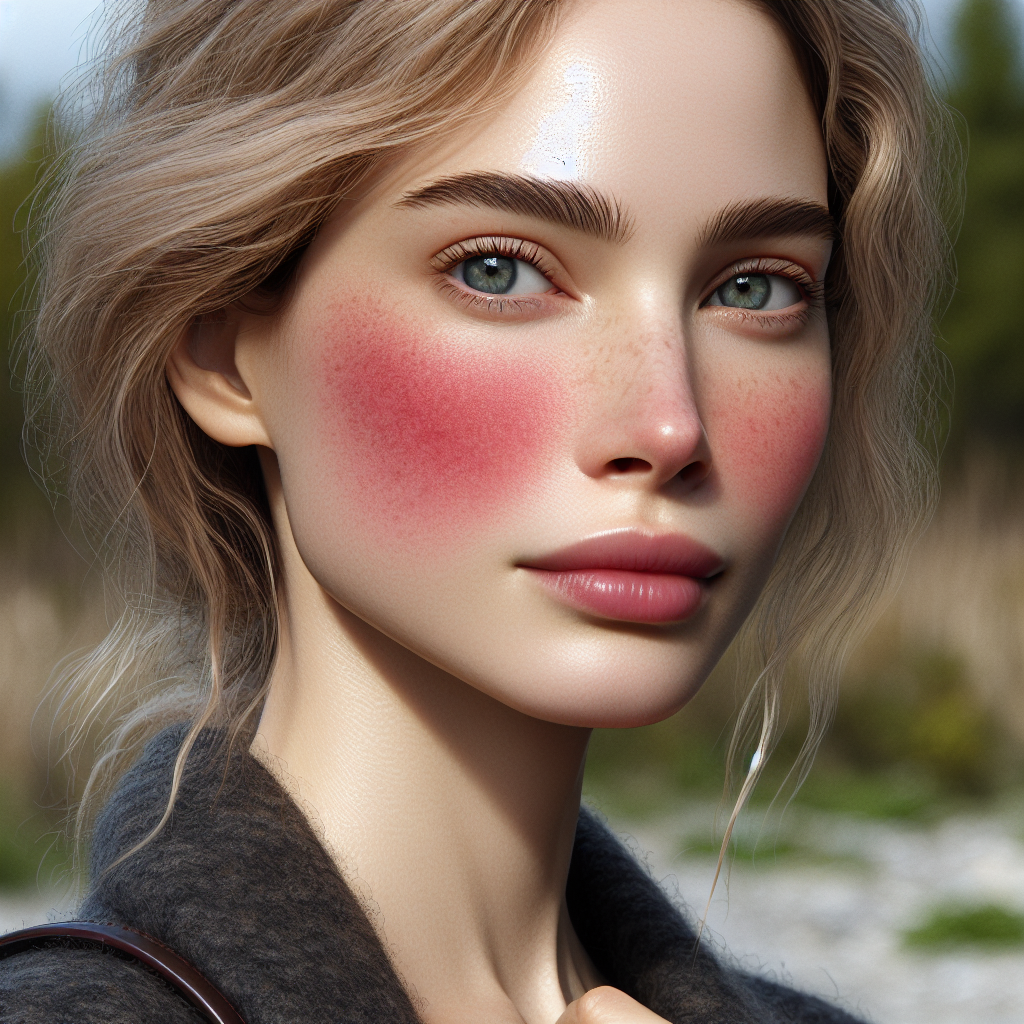
Takeaway: Understanding the different types of rosacea is crucial for effective rosacea management. Being aware of common symptoms and potential triggers can empower you to take control of flare-ups!
Rosacea Management Strategies
Managing rosacea can feel like navigating a maze with no exit, but fear not! With the right strategies, you can find your way to calmer, clearer skin. Here are some effective rosacea management strategies that can help you regain control:
Lifestyle Changes for Rosacea Control
Sometimes, the best solutions are the simplest. Making a few lifestyle tweaks can significantly impact your rosacea management:
- Stay Hydrated: Drink plenty of water to keep your skin hydrated and help reduce redness.
- Avoid Hot Beverages: Instead of that steamy cup of coffee, opt for iced versions to avoid triggering flare-ups.
- Limit Alcohol Intake: Alcohol is a common culprit for rosacea flare-ups; moderation is key!
Stress Management Techniques
Your skin and stress levels are more connected than you might think. Here are some techniques to keep stress at bay:
- Meditation & Mindfulness: Spend a few minutes each day focusing on your breath or practicing mindfulness to calm your mind.
- Yoga: Not only does it promote relaxation, but it also helps improve blood circulation which can be beneficial for your skin.
- Adequate Sleep: Ensure you get enough beauty sleep your skin will thank you!
Identifying Food Triggers in Rosacea Sufferers
Your diet plays a crucial role in managing rosacea. Identifying food triggers can be a game-changer. Consider keeping a food diary to track what you eat and how it affects your skin. Common triggers include:
- Spicy foods
- Certain dairy products
- Caffeine
- Sugary snacks
Anti-Inflammatory Diet for Rosacea
A diet rich in anti-inflammatory foods can help reduce redness from rosacea and promote overall skin health. Here’s what to include in your meals:
- Berries: Packed with antioxidants that fight inflammation.
- Fatty Fish: Omega-3 fatty acids found in salmon and mackerel are great for skin health.
- Nuts & Seeds: Walnuts and flaxseeds provide healthy fats that keep skin supple.
- Leafy Greens: Spinach and kale are loaded with vitamins that support healthy skin.

The journey of managing rosacea may seem daunting at times, but by implementing these strategies, you’re well on your way to calming irritated skin and controlling those pesky flare-ups. So gear up, because better days are ahead!
Skincare Routine for Rosacea-Prone Skin
Managing rosacea is like navigating a tricky maze one wrong turn and bam! You might trigger a flare-up. But fear not, my fellow skin warriors! With a gentle skincare routine tailored for rosacea-prone skin, you can keep those pesky red patches at bay.
1. Gentle Skincare Routine for Rosacea
Your first step in rosacea management is to embrace a skincare regime that’s as soft as a cloud. Think of your skin as a delicate flower; it needs nurturing, not harsh treatments.
2. Best Cleansers for Sensitive Skin with Rosacea
When it comes to cleansing, opt for products that are free from fragrances and alcohol, which can be like pouring salt on an open wound. Look for:
- Creamy cleansers that hydrate while they cleanse.
- Micellar water gentle and effective, just like your favorite superhero.
- Non-foaming cleansers to avoid stripping your skin of its natural oils.
3. Soothing Creams and Moisturizers for Redness Reduction
Your moisturizer should be the best friend your skin never knew it needed. Look for soothing ingredients like:
- Aloe vera: Nature’s cool-down gel.
- Niacinamide: A superstar at reducing redness and improving the skin barrier.
- Ceramides: To lock in moisture and protect against environmental triggers.
Key Takeaway: Always patch-test new products on a small area of skin before applying them to your entire face. Avoiding triggers in rosacea patients is crucial!
4. Makeup Advice for Covering Up Redness from Rosacea
If you want to cover up that rosy hue without making it worse, here’s your game plan:
- Use green-tinted primers: They’re like magic wands that neutralize redness instantly!
- Select mineral-based foundations: They’re less likely to irritate your sensitive skin.
- Avoid heavy powders: They can settle into fine lines and draw attention to redness.

The right skincare routine is essential not just for treating rosacea but also for boosting your confidence! Remember, managing rosacea isn’t just about the products you use but also about understanding your unique triggers and how they interact with your lifestyle choices. So gear up, stay informed, and let’s tackle this together!
Treatments and Remedies for Rosacea
When it comes to rosacea management, the right treatment can be a game changer. Whether you’re dealing with persistent redness or those pesky bumps, there are a variety of options to help you regain your skin’s peace. Let’s dive into the nitty-gritty of rosacea treatments and remedies that can make a significant difference!
Prescription Treatments for Managing Rosacea Symptoms
If over-the-counter solutions aren’t cutting it, your dermatologist may prescribe medications tailored to your needs. Common options include:
- Topical antibiotics: Such as metronidazole, which helps reduce inflammation.
- Oral antibiotics: Like doxycycline, effective for more severe cases.
- Isotretinoin: For those stubborn cases that refuse to budge.
Over-the-Counter Treatments Available for Rosacea Care
The beauty aisle offers a treasure trove of products for those looking to manage their rosacea symptoms without a prescription. Here are some top picks:
- Gentle cleansers: Look for sulfate-free options that won’t strip your skin.
- Soothing creams: Products containing ingredients like niacinamide or licorice extract can help calm angry skin.
- Sunscreen: A broad-spectrum SPF is essential look for mineral-based formulas that are less irritating.
Naturally Soothing Remedies and Essential Oils Effects on Skin
If you prefer a more natural approach, there are several remedies that might help soothe your skin:
- Aloe vera gel: Known for its calming properties, it’s great for reducing redness from rosacea.
- Coconut oil: A natural moisturizer that can help hydrate and protect sensitive skin.
- Essential oils: Lavender and chamomile oils may offer anti-inflammatory benefits just be sure to dilute them!
The Role of Probiotics in Managing Symptoms of Rosacea
Your gut health can play an unexpected role in skin conditions like rosacea. Probiotics may help balance the gut microbiome and reduce inflammation, potentially improving your skin’s appearance. Consider incorporating probiotic-rich foods like yogurt or taking supplements as part of your rosacea management plan.
Key Takeaway: Finding the right combination of treatments is crucial in managing rosacea effectively. Don’t hesitate to consult with a dermatologist to tailor an approach that suits you best!
Expert Tips from Dermatologists on Rosacea Management
When it comes to rosacea management, dermatologists have a treasure trove of knowledge to share. Think of them as your skincare Gandalf, guiding you through the often murky waters of managing this skin condition. Here are some expert tips that can help you tame your rosacea and keep those flare-ups at bay.
Identify Your Triggers
First things first know thy enemy! Common triggers for rosacea can include:
- Spicy foods
- Alcohol (sorry, happy hour)
- Extreme temperatures (both hot and cold)
- Stress (cue the yoga mat)
- Certain skincare products (yes, even the fancy ones)
Identifying food triggers is particularly crucial. Keep a food diary to spot patterns and adjust your diet accordingly. This is your own personal detective work magnifying glass optional!
Gentle Skincare Routine
Your skin deserves a gentle touch, especially when you’re dealing with rosacea. Here’s what dermatologists recommend:
- Cleansers: Opt for the best cleansers for sensitive skin with rosacea think fragrance-free and hydrating.
- Moisturizers: Use soothing creams that reduce redness from rosacea; look for ingredients like niacinamide or ceramides.
- Sunscreen: Daily sun protection is non-negotiable. Choose a physical sunscreen with zinc oxide or titanium dioxide to avoid irritation.
Lifestyle Adjustments
Your lifestyle plays a significant role in managing rosacea. Here are some dermatologist-approved strategies:
- Stress Management: Incorporate relaxation techniques like meditation or deep breathing exercises into your daily routine.
- Avoid Hot Showers: While they feel divine, hot water can exacerbate redness. Opt for lukewarm showers instead.
- Avoidance of Known Triggers: If you know certain foods or activities set off your flare-ups, steer clear of them like they’re the last slice of pizza at a party!
Treatments and Remedies
If lifestyle changes aren’t enough, dermatologists might suggest treatments such as:
- Prescription Options: Topical treatments like metronidazole or azelaic acid can help control symptoms.
- Over-the-Counter Solutions: Products containing green-tinted pigments can help neutralize redness instantly think of it as color-correcting magic!
- Naturally Soothing Remedies: Some essential oils may offer relief, but always conduct a patch test first!
The journey of managing rosacea may feel daunting, but with these expert tips in hand, you’re well-equipped to face it head-on. Don’t forget that while these strategies are helpful, it’s always wise to consult with your dermatologist for personalized advice tailored just for you!
Sun Protection Tips for Those with Rosacea
Winter Skincare Tips for People with Rosacea
Conclusion
Understanding Rosacea
- Definition and types of rosacea
- Common symptoms and signs
- Triggers of rosacea flare-ups
Rosacea Management Strategies
- Lifestyle changes for rosacea control
- Stress management techniques
- Identifying food triggers in rosacea sufferers
- Anti-inflammatory diet for rosacea
Skincare Routine for Rosacea-Prone Skin
- Gentle skincare routine for rosacea
- Best cleansers for sensitive skin with rosacea
- Soothing creams and moisturizers for redness reduction
- Makeup advice for covering up redness from rosacea
Treatments and Remedies for Rosacea
- Prescription treatments for managing rosacea symptoms
- Over-the-counter treatments available for rosacea care
- Naturally soothing remedies and essential oils effects on skin
- The role of probiotics in managing symptoms of rosacea