
Understanding Estrogen Replacement Therapy: Benefits, Risks, and Modern Approaches
Introduction
Welcome to the wild world of estrogen replacement therapy, where hormones take center stage in the quest for wellness! If you’re a woman navigating the rollercoaster ride of menopause or perimenopause, you might be wondering how to manage those pesky symptoms that seem to pop up like unwelcome party guests. Fear not, dear reader! This guide will unravel the mysteries surrounding estrogen therapy, helping you understand its benefits, risks, and modern approaches.
As we age, our bodies undergo a series of changes that can leave us feeling less like ourselves and more like a hot mess express. Low estrogen levels can lead to a variety of symptoms think mood swings, hot flashes, and even bone density loss. Fortunately, estrogen replacement is here to save the day or at least make it a little more bearable!
But before we dive into the nitty-gritty details of hormone replacement therapy (HRT), let’s set the stage with some context. Estrogen is one of those essential women’s health hormones that plays a key role in maintaining female hormone balance. When levels drop during menopause, it can feel like your body has been thrown into a chaotic whirlwind. Understanding how estrogen therapy works can empower you to make informed decisions about your health.
So grab your favorite herbal tea (or glass of wine we don’t judge) as we embark on this enlightening journey through the landscape of estrogen replacement therapy. By the end of this post, you’ll be equipped with knowledge about HRT options for women and ready to tackle menopause symptoms head-on!

What is Estrogen Replacement Therapy?
Estrogen replacement therapy (ERT) is a medical treatment designed to replenish estrogen levels in women experiencing estrogen deficiency, particularly during menopause or perimenopause. This therapy aims to alleviate symptoms associated with low estrogen, such as hot flashes, mood swings, and vaginal dryness, while also supporting overall hormone health.
At its core, ERT falls under the broader umbrella of hormone replacement therapy (HRT). HRT encompasses various treatments aimed at restoring hormonal balance in the body, and estrogen therapy specifically targets the needs of women facing hormonal fluctuations.
Types of Estrogen Used in Therapy
When it comes to estrogen replacement, there are several options available:
- Bioidentical Estrogen: These hormones are chemically identical to those naturally produced by the body. Many women prefer this option due to its perceived safety and effectiveness.
- Synthetic Estrogen: These are man-made hormones that can mimic natural estrogen but may carry different risks and benefits.
- Natural Estrogens: Derived from plant sources, these compounds can be found in supplements or creams and are often referred to as phytoestrogens.
Key Takeaway: Understanding the types of estrogens available is crucial for making informed decisions about your treatment options. Always consult with a healthcare provider to determine which type is best for your unique situation.
The choice between bioidentical and synthetic options often depends on individual health needs, preferences, and potential side effects. For instance, some women may experience better symptom relief with bioidentical estrogen due to its compatibility with their body’s natural processes.
Ultimately, the goal of estrogen replacement is not just about alleviating uncomfortable symptoms; it’s also about enhancing quality of life during a significant transition in a woman’s life. By addressing low estrogen levels through targeted therapies like ERT, many women find renewed vitality and balance during menopause.
The Importance of Estrogen in Women’s Health
Estrogen is like the superhero of women’s health, swooping in to regulate a multitude of bodily functions. This hormone plays a vital role in everything from reproductive health to bone density, making it essential for maintaining overall well-being.
- Role of Estrogen: Estrogen helps regulate the menstrual cycle, supports the development of secondary sexual characteristics, and influences mood and cognitive function. It also aids in maintaining healthy skin and hair.
- Effects of Low Estrogen Levels: When estrogen levels dip, particularly during perimenopause and menopause, women may experience a range of symptoms including hot flashes, night sweats, mood swings, and even cognitive decline. Think of low estrogen as throwing a wrench into the well-oiled machine that is your body.
- Impact on Menopause Symptoms: The transition into menopause can be like navigating a rollercoaster without a seatbelt. Low estrogen levels are often responsible for common symptoms such as irregular periods, hot flashes, and vaginal dryness. Understanding this connection is key to managing menopause effectively.
Did you know? Research shows that estrogen replacement therapy can significantly alleviate these menopausal symptoms, making it an important consideration for many women navigating this life stage.
In summary, maintaining optimal estrogen levels is crucial for women’s health throughout their lives. Whether it’s through natural estrogen replacement or hormone therapy for women experiencing menopause, understanding the importance of this hormone can empower you to take control of your health journey.
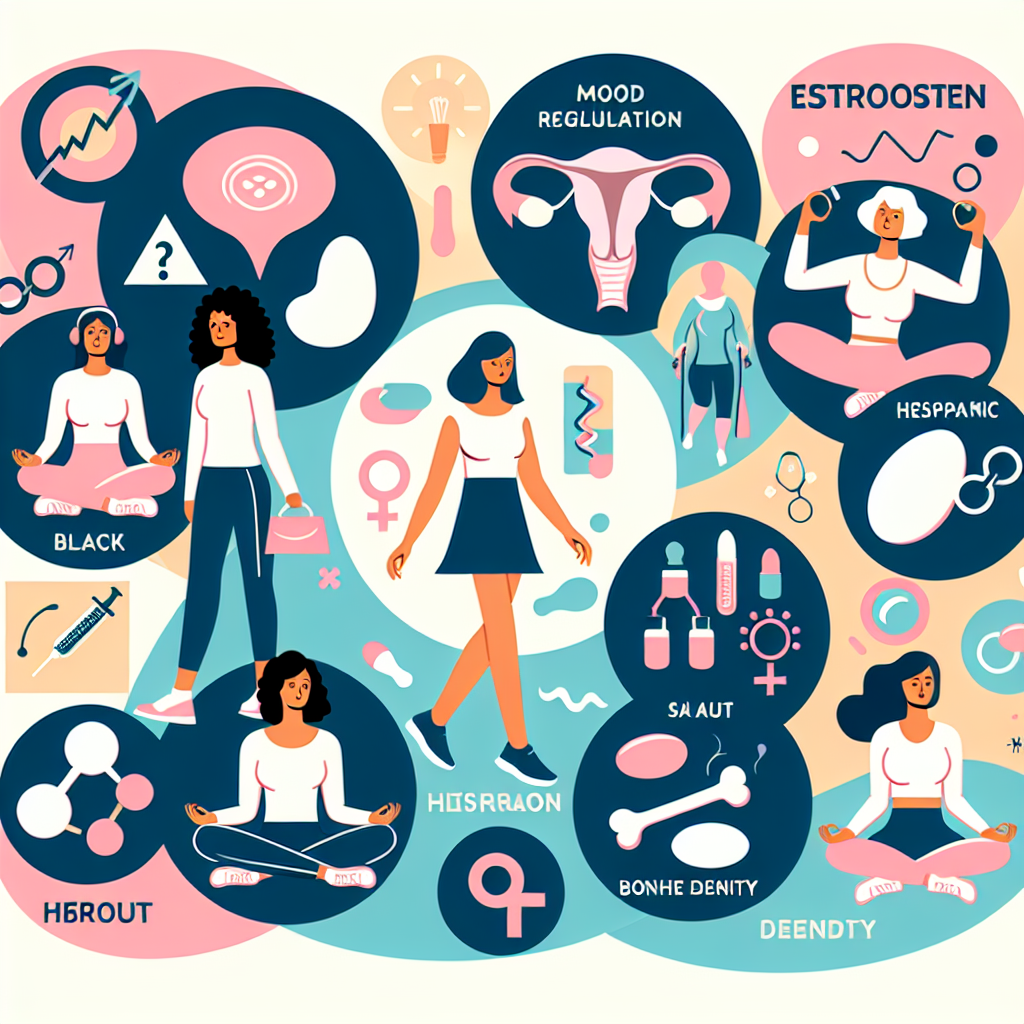
Benefits of Estrogen Replacement Therapy
So, why should you consider estrogen replacement? Well, strap in, because the benefits are as exciting as a rollercoaster ride through hormone health!
- Relief from Menopausal Symptoms: Hot flashes? Night sweats? Mood swings? Estrogen therapy can help smooth out those pesky menopause symptoms that feel like an unwelcome party crasher.
- Improvement in Bone Health and Density: This isn’t just about feeling good; it’s also about keeping your bones strong. Estrogen plays a key role in maintaining bone density, reducing the risk of osteoporosis because nobody wants to go from a vibrant woman to a brittle one.
- Enhancement of Mood and Cognitive Function: Low estrogen can sometimes lead to brain fog or mood swings that rival a soap opera plot twist. Estrogen replacement can help stabilize your mood and improve cognitive function, making you feel more like yourself again.
- Support for Heart Health: Did you know that estrogen has protective effects on the cardiovascular system? It helps maintain healthy cholesterol levels and promotes blood vessel elasticity essentially giving your heart some much-needed TLC.
Key Takeaway: The benefits of estrogen replacement extend beyond just alleviating symptoms; they encompass overall well-being, from bone health to heart support. It’s like giving your body a multi-vitamin tailored specifically for hormone health!
Now, before you dive headfirst into estrogen therapy, it’s essential to consult with a healthcare provider. They can craft the perfect personalized hormone replacement plan for you because let’s be honest: we all deserve our own unique recipe for wellness!
Risks and Considerations of Estrogen Replacement Therapy
Diving into the world of estrogen replacement therapy can feel a bit like stepping into a high-stakes game of poker. Sure, there are some fantastic benefits on the table, but you also need to be aware of the risks lurking in the shadows. Let’s break it down!
- Potential Side Effects: Just like any medication, estrogen therapy can come with its own set of side effects. Some women report headaches, bloating, or mood swings think of it as your hormones throwing a surprise party that you didn’t RSVP to.
- Long-Term Health Risks: While estrogen can work wonders for managing menopause symptoms, long-term use raises eyebrows among health professionals. Research suggests that prolonged estrogen therapy might increase the risk of certain health issues. It’s like walking a tightrope; balance is key!
- Cancer Risks: Now, here’s where things get serious. Studies have indicated that there may be an increased risk of breast and uterine cancers associated with estrogen use. This is particularly true for women who take synthetic options without progesterone. It’s crucial to have regular check-ups and discussions with your healthcare provider about your specific risks.
Key Takeaway: Before jumping on the estrogen bandwagon, it’s essential to weigh these risks carefully against the benefits. A personalized approach tailored to your unique health profile can help mitigate some of these concerns.
Understanding Your Options
Not all estrogen therapies are created equal! From bioidentical options that mimic natural hormones to synthetic varieties that might come with more baggage, understanding what you’re getting into is crucial for your hormone health.
The Importance of Regular Monitoring
If you decide to embark on this journey with estrogen replacement therapy, don’t forget about regular monitoring! Just like checking your car’s oil levels ensures smooth driving, regular hormone level checks will keep you informed about how well your body is responding to treatment.

Modern Approaches to Estrogen Replacement Therapy
In the ever-evolving world of estrogen replacement, modern approaches are transforming how we think about hormone therapy for women. Gone are the days of one-size-fits-all solutions; today, personalized plans reign supreme!
Bioidentical Estrogen vs. Synthetic Options
When it comes to estrogen therapy, you might have heard the terms “bioidentical” and “synthetic” thrown around like confetti at a party. But what do they really mean?
- Bioidentical Estrogen: This type is chemically identical to the estrogen your body produces. Think of it as your body’s twin! It’s derived from natural sources like soy or yams and is often touted for its ability to mimic natural hormone activity closely.
- Synthetic Estrogen: This option, while effective, is not an exact match for your body’s hormones. It’s created in a lab and can sometimes lead to different effects in the body compared to bioidentical options.
The Role of Personalized Hormone Replacement Plans for Women Over 50
No two women are alike, especially when it comes to hormone health. A personalized approach considers individual health history, lifestyle factors, and specific symptoms. This means that treatment plans can be tailored based on:
- Your unique hormone levels
- Your response to previous treatments
- Your overall health goals
Key Takeaway: Personalized hormone replacement plans can significantly enhance the effectiveness of estrogen therapy by addressing individual needs rather than adopting a generic approach.
Natural Alternatives and Plant-Based Estrogens (Phytoestrogens)
If you’re looking for something a little more earthy, plant-based estrogens might just be your cup of herbal tea! These phytoestrogens can help manage symptoms associated with low estrogen levels without the need for traditional HRT options. Some popular sources include:
- Soy Products: Tofu and soy milk are rich in isoflavones that mimic estrogen.
- Flaxseeds: These tiny seeds pack a punch with lignans that can support hormonal balance.
- Legumes: Chickpeas and lentils are not just good for your heart; they’re also great for your hormones!
The beauty of these natural alternatives lies in their ability to offer relief without some of the risks associated with traditional estrogen replacement therapies.
A New Perspective on HRT Options for Women
The conversation around hormone replacement therapy has shifted dramatically. Instead of viewing HRT as merely a way to alleviate symptoms, it’s now recognized as an essential component of overall wellness and quality of life during menopause and beyond.
The FDA has approved several bioidentical hormone therapies that cater specifically to women’s health needs during menopause.
This modern understanding encourages women not only to seek treatment but also to engage actively in discussions about their options with healthcare providers.
Managing Menopause Symptoms with Estrogen Replacement Therapy
Ah, menopause a time when your body decides to throw a surprise party, but forgets to send you an invite! Hot flashes, mood swings, and sleep disturbances can feel like unwelcome guests crashing your party. Fortunately, estrogen replacement therapy (ERT) is here to help you manage these symptoms like a pro.
What are the treatment options? When it comes to managing menopause symptoms with ERT, there’s no one-size-fits-all solution. Here are some popular options:
- Estrogen-only therapy: Ideal for women who have had a hysterectomy. This option can help alleviate those pesky hot flashes and night sweats.
- Combined estrogen and progesterone therapy: For women with an intact uterus, this combo helps protect against uterine cancer while providing symptom relief.
- Bioidentical hormones: These are chemically identical to the hormones produced by your body and can be tailored specifically for you. Think of them as the custom-fit jeans of hormone therapy!
- Synthetic estrogen options: While they may not be as trendy as bioidenticals, these FDA-approved therapies can still pack a punch in managing symptoms.
Key Takeaway: Always consult with your healthcare provider to determine which estrogen replacement option is best for your unique needs and lifestyle.
The importance of individualized treatment plans
No two women experience menopause the same way just like no two snowflakes are alike! That’s why personalized hormone replacement plans are essential. Your doctor will consider factors such as:
- Your medical history
- The severity of your symptoms
- Your lifestyle and preferences
- Your age and overall health
This tailored approach not only enhances the effectiveness of treatment but also minimizes potential risks associated with hormone therapy for women. Remember, it’s all about finding that sweet spot where your hormones feel balanced and life feels manageable!

If you’re considering estrogen replacement therapy to manage menopause symptoms, make sure to have an open dialogue with your healthcare provider. Together, you can navigate the maze of options available and find what works best for you!
Alternatives to Hormone Replacement Therapy for Menopause Relief
Feeling like a hot flash is a rite of passage? Well, it doesn’t have to be! If hormone replacement therapy (HRT) isn’t your cup of tea, there are plenty of alternatives to help you sail through menopause with grace (and maybe a little less sweat). Let’s dive into some exciting options that can keep you cool and collected.
Non-Hormonal Menopause Relief Options
- Herbal Remedies: Think black cohosh, red clover, and evening primrose oil. These herbal superheroes are packed with phytoestrogens that can mimic estrogen’s effects in the body, offering some relief from pesky symptoms.
- Acupuncture: This ancient Chinese practice may help balance your energy and reduce hot flashes. It’s like giving your body a gentle tune-up!
- Cognitive Behavioral Therapy (CBT): A little talk therapy can go a long way in managing mood swings and anxiety during menopause. Plus, it’s a great way to vent about those sudden temperature spikes!
Lifestyle Changes and Their Impact on Hormone Health
Sometimes the best medicine is just good old-fashioned self-care. Here’s how you can tweak your lifestyle for better hormone health:
- Dietary Adjustments: Load up on fruits, veggies, whole grains, and healthy fats. Foods rich in omega-3 fatty acids like salmon and walnuts can help support hormone balance.
- Regular Exercise: Get moving! Regular physical activity can help alleviate menopausal symptoms, improve mood, and even boost bone density. Whether it’s yoga or Zumba, find what makes you groove.
- Sufficient Sleep: Catching those Zs is crucial. Aim for 7-9 hours of quality sleep each night to keep your hormones in check and your energy levels high.
- Stress Management: Stress can wreak havoc on your hormones. Incorporate mindfulness practices like meditation or deep breathing exercises into your routine to keep calm amidst the chaos.
Key Takeaway: Embracing non-hormonal alternatives doesn’t just mean surviving menopause; it means thriving during this transformative phase of life! From herbal remedies to lifestyle shifts, there are numerous ways to manage symptoms effectively without diving into estrogen replacement therapy.
The Future of Hormone Health: Trends in Estrogen Replacement Therapy < ul >< li >Emerging research on HRT options for women
< / section >