

Understanding Clinical Skincare: Beyond Over-the-Counter Products
Understanding Clinical Skincare: Beyond Over-the-Counter Products
Introduction
Welcome to the world of clinical skincare, where science meets beauty and your skin health takes center stage! If you’ve ever wandered the aisles of a pharmacy, overwhelmed by the myriad of over-the-counter products, you’re not alone. It can feel like navigating a maze designed by a mad scientist. But fear not! This guide is here to illuminate the path to radiant skin through advanced skincare solutions.
So, what exactly is clinical skincare? Imagine stepping into a realm where products are not just slathered on but are formulated with the precision of a surgeon’s scalpel. We’re talking about medical-grade skincare that goes beyond basic hydration and promises real results. Think of it as your skin’s personal bodyguard, equipped with prescription-strength ingredients that tackle everything from acne to aging.
In this blog post, we’ll delve into the differences between over-the-counter options and their clinical counterparts, explore key components that make these products effective, and discuss how to choose the right ones for your unique skin needs. Whether you’re battling breakouts or seeking that elusive glow, understanding clinical skincare is your first step toward achieving your skin goals.
Did you know? Skin cancer is the most common cancer in the United States, highlighting the importance of proper skincare and sun protection!
Ready to embark on this journey? Buckle up as we uncover the secrets behind those dermatologist-recommended products and how they can elevate your skincare routine!
What is Clinical Skincare?
Clinical skincare is like the VIP section of the skincare world. Imagine stepping into a realm where products are not just your average lotions and potions; they are medical-grade skincare solutions crafted with precision and backed by science. These products are often developed by dermatologists and formulated to deliver results that go beyond mere hydration or surface-level beauty.
At its core, clinical skincare focuses on skin health. It’s about understanding your skin’s unique needs and addressing them with targeted solutions. Whether you’re battling acne, dealing with signs of aging, or simply striving for that coveted glow, clinical skincare offers a range of advanced skincare solutions tailored to meet those needs.
So, how does it differ from over-the-counter (OTC) products? Well, think of OTC products as the appetizers at a party tasty but not always filling. In contrast, clinical skincare is like the main course: substantial, satisfying, and designed to nourish your skin from within.
Key Features of Clinical Skincare
- Prescription Strength: Many clinical products contain higher concentrations of active ingredients compared to their OTC counterparts. This means they can tackle skin issues more effectively.
- Evidenced-Based Formulations: Developed through rigorous research and testing, these products are grounded in scientific principles to ensure efficacy.
- Dermatologist Recommended: When you see “dermatologist developed products,” you know you’re in safe hands. These professionals create formulations that cater specifically to skin health.
- Treatment Focused: From anti-aging clinic products to therapeutic options for sensitive skin, clinical skincare addresses specific concerns with precision.
The beauty of clinical skincare lies in its versatility. Products can range from intensive skin repair creams for dry patches to advanced sun protection products like clinic-grade sunscreens that shield your skin from harmful UV rays while nourishing it at the same time.
Takeaway: If you’re serious about your skin health and want results that last, consider exploring the world of clinical skincare. With its focus on evidence-based solutions and dermatologist-backed formulations, it’s time to elevate your routine beyond what you find on store shelves!
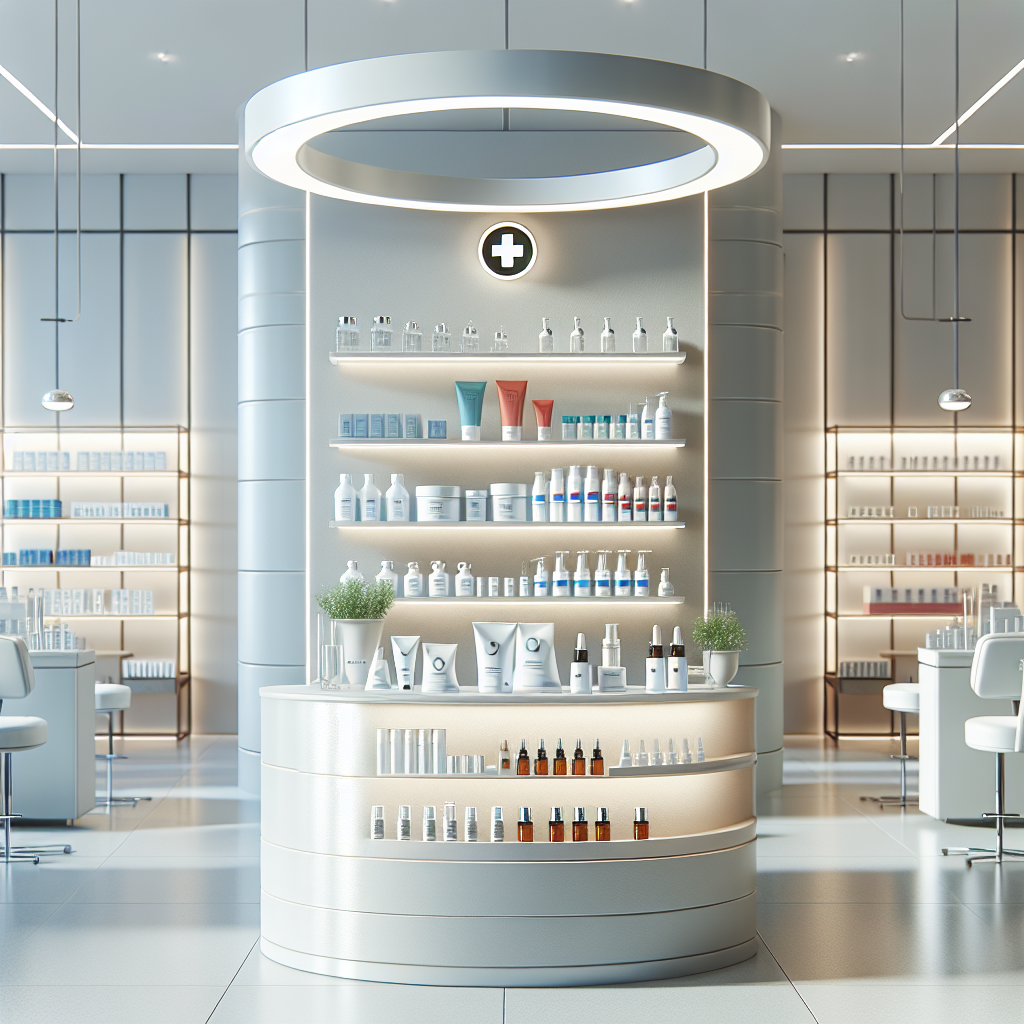
The Difference Between Over-the-Counter and Clinical Skincare
When it comes to skincare, the terms “over-the-counter” (OTC) and “clinical skincare” often pop up like the catchy jingles of your favorite commercials. But what do they really mean? Let’s break it down like a solid skincare routine.
Ingredients and Formulations
OTC products are like the friendly neighborhood superheroes of skincare accessible, easy to find, but sometimes lacking that special power. They typically contain lower concentrations of active ingredients, which can make them suitable for general skin concerns but not always effective for specific issues.
On the flip side, clinical skincare products boast medical-grade ingredients formulated by experts. Think of them as your personal skincare bodyguards, equipped with advanced formulations that target specific problems like acne or aging with precision.
Potency and Efficacy
The potency of clinical skincare products is where they truly shine. These bad boys are designed to deliver results faster and more effectively than their OTC counterparts. For instance, while an OTC moisturizer might hydrate your skin, a clinical-grade moisturizer can penetrate deeper layers, providing intensive hydration and support for skin health.
Clinical skincare products often contain higher concentrations of active ingredients such as retinoids or peptides that are scientifically proven to improve skin health.
Regulatory Standards
OTC products are regulated by the FDA but often have looser guidelines compared to clinical skincare lines. In contrast, clinical products undergo rigorous testing and must meet strict safety standards before they hit the shelves. This means you’re not just getting a pretty bottle; you’re investing in evidence-based solutions crafted by dermatologists.

Key Components of Clinical Skincare
When it comes to clinical skincare, understanding its key components is like knowing the secret ingredients in your favorite recipe. These elements come together to create powerful, effective products that can transform your skin. Let’s break down the essentials:
- Medical-Grade Ingredients: These are not your average ingredients found in drugstore products. Medical-grade skincare features potent compounds such as retinoids, peptides, and antioxidants that have been scientifically proven to improve skin health. Think of them as the superheroes of your skincare routine, ready to tackle everything from acne to aging.
- Evidence-Based Formulations: The best clinical skincare products are backed by research and clinical trials. This means they are developed based on solid evidence rather than just marketing hype. When you choose products that utilize evidence-based formulations, you’re investing in solutions that work.
- Dermatologist Recommended Products: Products that carry the seal of approval from dermatologists are often formulated with high standards in mind. These professionals understand skin health better than anyone else and recommend products that align with therapeutic needs like those found at a specialized dermatology care clinic.
- Therapeutic Skincare Products: Designed to address specific skin concerns, these products go beyond basic hydration. Whether it’s a clinical facial treatment or an intensive skin repair cream, therapeutic options target issues like hyperpigmentation and fine lines for a more youthful complexion.
- Prescription Strength Skincare: For those with stubborn skin issues, prescription strength options deliver serious results. These formulations contain higher concentrations of active ingredients, making them ideal for conditions such as severe acne or rosacea.
- Advanced Sun Protection: Clinical skincare doesn’t stop at moisturizers and serums; it also includes advanced sun protection products like clinic-grade sunscreens. Protecting your skin from harmful UV rays is crucial in any skincare regimen after all, prevention is better than cure!
Takeaway: When selecting clinical skincare products, look for those with medical-grade ingredients and dermatologist recommendations. It’s about investing in your skin’s future with evidence-based solutions!

Benefits of Using Clinical Skincare Products
When it comes to skincare, you might be wondering why you should invest in clinical skincare products instead of sticking to your trusty drugstore finds. Well, let me hit you with some knowledge bombs! Here are the major benefits that make clinical skincare a game-changer for your skin health:
- Targeted Skin Solutions: Clinical skincare products are formulated with specific skin concerns in mind. Whether you’re battling acne, pigmentation issues, or fine lines, there’s a medical-grade solution designed to tackle those problems head-on. Think of it as having a personalized trainer for your skin no more one-size-fits-all approach!
- Long-Term Skin Health Improvement: Unlike many over-the-counter options that offer quick fixes, clinical skincare focuses on long-term results. These products often contain higher concentrations of active ingredients that penetrate deeper into the skin, promoting lasting improvements in texture and tone.
- Advanced Anti-Aging Therapies: If you’re looking for the fountain of youth, clinical skincare might just be your best bet! With ingredients like retinoids and peptides, these products can stimulate collagen production and reduce the appearance of wrinkles. It’s like giving your skin a VIP pass to the anti-aging club!
Did you know? The global clinical skincare market size was valued at USD 22.5 billion in 2022 and is projected to reach USD 45 billion by 2030.
This growth reflects the increasing demand for effective and scientifically-backed skincare solutions!
So there you have it! By opting for clinical skincare products, you’re not just slapping on some lotion; you’re investing in advanced dermatology products that deliver real results. Ready to elevate your skincare routine? Let’s dive into some popular types of clinical skin treatments next!
Popular Types of Clinical Skin Treatments
When it comes to clinical skincare, the options are as diverse as a well-stocked candy store! Each treatment offers unique benefits tailored to different skin concerns. Let’s break down some of the most popular types of clinical skin treatments that can elevate your skincare game.
Chemical Peels and Exfoliation Treatments
Chemical peels are like a fresh start for your skin. These treatments use medical-grade acids to slough off dead skin cells, revealing smoother, brighter skin underneath. They can target issues such as:
- Fine lines and wrinkles
- Sun damage and pigmentation
- Acne scars
Whether you’re opting for a light peel or something more intensive, these treatments are a cornerstone in many anti-aging clinic products.
Microneedling and Collagen Induction Therapy
If you’ve ever been curious about how to kickstart your collagen production, look no further than microneedling. This innovative technique involves using tiny needles to create micro-injuries in the skin, prompting your body’s natural healing response. The result? Increased collagen and elastin production, leading to:
- Smoother texture
- Reduced appearance of scars
- Improved overall tone and firmness
This treatment is often combined with PRP (platelet-rich plasma) for an extra boost in rejuvenation.
Prescription Strength Skincare Options
The beauty of clinical skincare lies in its ability to offer prescription strength options that you can’t find over-the-counter. These products are typically developed by dermatologists and include:
- Retinoids: Great for acne and anti-aging.
- Hydroquinone: Effective for hyperpigmentation.
- Topical antibiotics: Perfect for combating stubborn acne.
Using these products under professional guidance ensures that you’re not just slapping on any old cream but rather utilizing advanced skincare solutions that work!

Selecting the Right Clinical Skincare Products for Your Needs
Choosing the right clinical skincare products can feel like navigating a labyrinth of serums, creams, and potions. Fear not! With a little guidance, you can find your way to the perfect solutions for your skin.
Understanding Your Skin Type and Concerns
Before diving into the world of medical-grade skincare, take a moment to assess your skin type and concerns. Are you battling dryness, acne, or signs of aging? Each skin type requires different care:
- Oily Skin: Look for lightweight, non-comedogenic products that won’t clog pores.
- Dry Skin: Seek out rich, hydrating formulations like clinical grade moisturizers or intensive skin repair creams.
- Sensitive Skin: Opt for dermatologist developed products that are free from harsh chemicals.
- Aging Skin: Consider advanced anti-aging therapies and cosmeceutical skincare designed to rejuvenate and restore elasticity.
The Role of Dermatology Clinics in Personalization
Your local dermatology clinic is more than just a place to get prescriptions; it’s a treasure trove of personalized skincare solutions. Dermatologists can help tailor your regimen based on:
- Your unique skin concerns
- The latest advancements in clinical facial treatments
- Your lifestyle and environmental factors affecting your skin health
Consultation with a Skincare Professional
A consultation with a skincare professional is like having a GPS for your skincare journey. They can recommend specific products from trusted dermatology skincare lines that suit your needs. Here’s what to expect during your visit:
- An in-depth analysis of your skin condition.
- A discussion about any previous treatments or products you’ve used.
- A personalized plan incorporating prescription strength skincare options if necessary.
Key Takeaway: Investing time in understanding your skin type and seeking professional advice can lead to effective, tailored solutions that enhance your overall skin health!
The Importance of Consistency in Clinical Skincare Regimens
When it comes to clinical skincare, consistency is the secret sauce that transforms a good routine into a great one. Think of it like watering a plant: if you only do it once in a while, you’re likely to end up with a sad little sprout. But with regular care, that same plant can flourish into something beautiful!
Clinical skincare products, especially those that are medical-grade, contain potent ingredients designed to deliver real results. However, these results don’t happen overnight. Just like binge-watching your favorite series won’t make you an expert in the plot, sporadic use of advanced skincare solutions won’t yield the skin of your dreams.
Why Consistency Matters
- Building Tolerance: Many active ingredients found in clinical skincare, such as retinoids or acids, require time for your skin to adjust. Gradual incorporation leads to better tolerance and fewer adverse reactions.
- Maximizing Efficacy: Regular application ensures that your skin receives continuous benefits from these powerful products. For example, using prescription strength skincare consistently can help fade acne scars and improve overall texture.
- Long-Term Results: Clinical skin treatments often focus on cumulative benefits. Whether you’re tackling fine lines at an anti-aging clinic or seeking solutions for sensitive skin at specialized dermatology care products clinics, consistent use is key to achieving lasting results.
A Common Misconception
A prevalent myth is that once you achieve your desired results with clinical skincare, you can toss those products aside. This could not be further from the truth! Just like maintaining a healthy diet or exercise routine, keeping your skin healthy requires ongoing effort.
Key Takeaway: Consistency in using clinical skincare not only enhances the effectiveness of treatments but also helps maintain the health and appearance of your skin over time.
Strategies for Staying Consistent
- Create a Routine: Set specific times for applying your products morning and night to establish a habit.
- Track Your Progress: Keep a journal or take photos to monitor changes in your skin’s appearance over time. This can motivate you to stick with your regimen!
- Consult Professionals: Regular check-ins with dermatology clinics can help keep you accountable and allow for adjustments based on how your skin responds.
The road to radiant skin may seem long and winding, but remember: consistency is key! With dedicated care using dermatologist developed products tailored for your unique needs, you’ll be well on your way to achieving glowing results that last.
Conclusion: Elevating Your Skincare Routine with Clinical Solutions
What is Clinical Skincare?
The Difference Between Over-the-Counter and Clinical Skincare
- Ingredients and Formulations
- Potency and Efficacy
- Regulatory Standards
Key Components of Clinical Skincare
- Medical-Grade Ingredients
- Evidence-Based Formulations
- Dermatologist Recommended Products
Benefits of Using Clinical Skincare Products
- Targeted Skin Solutions
- Long-Term Skin Health Improvement
- Advanced Anti-Aging Therapies
Popular Types of Clinical Skin Treatments
- Chemical Peels and Exfoliation Treatments
- Microneedling and Collagen Induction Therapy
- Prescription Strength Skincare Options
Selecting the Right Clinical Skincare Products for Your Needs
- Understanding Your Skin Type and Concerns
- The Role of Dermatology Clinics in Personalization
- Consultation with a Skincare Professional